If you’re building a business online, you’ve probably asked yourself this question at least once: Should I invest in website design or SEO first?
It’s a fair question. Every business owner wants to spend money wisely, especially when budgets are limited. Some agencies insist that a beautiful website is the key to success, while others claim that SEO is the only thing that matters because it brings traffic.
The truth is that neither works well without the other.
A stunning website that no one can find won’t generate leads. Likewise, a website that ranks well but offers a poor user experience won’t convert visitors into customers.
So where should you invest first?
The answer depends on your business goals, your current website, and where you are in your growth journey. Let’s break it down in simple terms.
Understanding Website Design
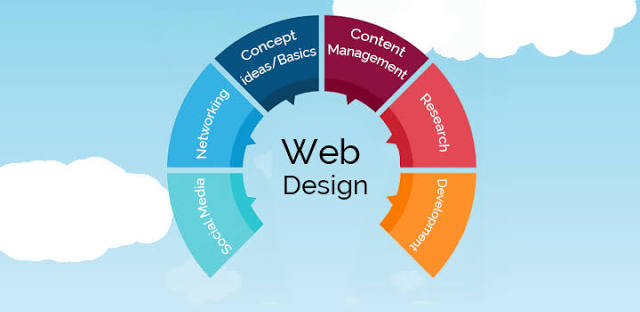
Website design is much more than choosing attractive colors or modern fonts. It is about creating a digital experience that helps visitors trust your business and easily find what they need.
A well-designed website should:
- Load quickly on every device.
- Look professional and modern.
- Be mobile-friendly.
- Make navigation simple.
- Encourage visitors to take action.
- Reflect your brand identity.
Think of your website as your digital storefront.
Imagine walking into two different stores. One is clean, organized, and welcoming. The other is cluttered, outdated, and difficult to navigate.
Even if both stores sell the same products, most people will choose the first one. The same principle applies online.
Visitors often decide within a few seconds whether they trust a website. Good design helps create that positive first impression.
What Is SEO?
SEO, or Search Engine Optimization, is the process of helping your website appear in search engine results when people search for products or services related to your business.
For example, if you own a local bakery, you want your website to appear when someone searches for:
- Best bakery near me
- Fresh cakes in my city
- Birthday cake delivery
SEO makes that possible.
It involves improving many aspects of your website, including:
- Keyword research
- High-quality content
- Technical performance
- Website speed
- Internal linking
- Backlinks
- User experience
- Mobile optimization
Unlike paid advertising, SEO can continue generating traffic long after the initial work has been completed.
Why Website Design Matters First
If you’re launching a brand-new website, design usually deserves your attention before aggressive SEO campaigns.
Here’s why.
Imagine spending months ranking your website on Google.
Visitors finally arrive—but they find broken layouts, confusing menus, slow loading pages, and outdated visuals.
Most of them leave immediately.
That means all your SEO efforts produced traffic but not customers.
Good design improves:
First Impressions
People judge websites quickly.
A professional appearance instantly builds trust and encourages visitors to explore further.
User Experience
Visitors should easily find information without frustration.
Simple navigation keeps users engaged longer.
Conversion Rate
Whether your goal is phone calls, online purchases, or contact form submissions, good design helps guide visitors toward taking action.
Mobile Performance
Today, most website visitors come from smartphones.
Responsive design ensures every visitor has a smooth experience regardless of screen size.
Why SEO Cannot Be Ignored
While design creates a great experience, SEO helps people actually discover your website.
Without SEO, your website is like opening a beautiful shop in the middle of a desert.
Nobody knows it exists.
SEO offers several long-term benefits.
Consistent Organic Traffic
Instead of paying for every click through advertising, SEO allows search engines to send visitors naturally.
Over time, this becomes one of the most cost-effective marketing strategies available.
Better Brand Authority
People naturally trust websites that appear near the top of Google search results.
Higher rankings often lead to greater credibility.
Higher Quality Leads
SEO targets people who are already searching for your products or services.
That means your visitors are often closer to making a purchasing decision.
Long-Term Results
Unlike paid ads that stop generating traffic when your budget runs out, strong SEO can continue delivering visitors for months or even years.
Website Design Without SEO
Let’s imagine a local landscaping company spends thousands of dollars creating an impressive website.
The homepage looks fantastic.
The images are professional.
Everything loads quickly.
But they never optimize their content for search engines.
When homeowners search for landscaping services in their city, the website doesn’t appear.
Despite the excellent design, the business receives very few visitors.
The website becomes an expensive online brochure instead of a lead-generation tool.
SEO Without Good Design
Now consider another company.
They publish keyword-rich content and successfully rank on Google.
Traffic increases every month.
However, visitors encounter:
- Slow loading pages
- Difficult navigation
- Poor mobile experience
- Confusing layouts
- Weak calls to action
Visitors quickly leave without contacting the business.
Google eventually notices these poor user signals, which may even affect rankings over time.
SEO attracted the audience, but poor design failed to convert them.
The Smart Approach: Build Both Together
Instead of choosing one over the other, successful businesses combine website design and SEO from the beginning.
Modern websites should be built with search engines and users in mind.
That means:
- Clean website structure
- Fast loading pages
- Mobile responsiveness
- SEO-friendly URLs
- Optimized images
- Proper heading structure
- Quality content
- Clear navigation
- Easy-to-find contact information
When design and SEO work together, every visitor has a better experience.
Search engines reward that experience with improved visibility.
Visitors reward it with more inquiries, purchases, and referrals.
Which Should You Prioritize?
The answer depends on your current situation.
If You Have No Website
Start by building a professional website.
However, make sure SEO is included during development.
Adding SEO later is often more expensive and time-consuming.
If You Already Have a Good Website
Focus on SEO.
If your website already provides a positive user experience, increasing visibility should become the priority.
More qualified traffic usually means more business opportunities.
If Your Website Is Outdated
A redesign may be necessary before investing heavily in SEO.
There’s little benefit in attracting visitors to a website that feels old or difficult to use.
Updating both design and technical performance often creates the strongest foundation for future growth.
Common Mistakes Businesses Make
Many businesses unknowingly limit their online growth by making avoidable mistakes.
Some of the most common include:
Ignoring mobile users. A website that works well only on desktops will lose a significant portion of today’s audience.
Choosing design over performance. Heavy animations and oversized images may look impressive but can slow down page speed.
Publishing thin content. Search engines prioritize useful, informative content that genuinely answers users’ questions.
Neglecting local SEO. Businesses serving specific areas should optimize for local searches and keep business information consistent.
Skipping regular updates. Search engines favor websites that remain active, secure, and up to date.
Avoiding these mistakes gives your website a stronger chance of succeeding in competitive search results.
A Long-Term Investment
It’s important to remember that neither website design nor SEO delivers instant success.
A professional website creates trust immediately, but building search rankings takes time.
Likewise, SEO may increase traffic gradually, while ongoing design improvements can steadily boost conversions.
The businesses that achieve lasting online growth understand that their website is never truly finished. They continue refining the design, publishing valuable content, improving performance, and adapting to changes in search engine algorithms and customer expectations.
This continuous improvement creates a stronger online presence year after year.
Final Thoughts
Choosing between website design and SEO isn’t really about picking one over the other.
Think of them as two parts of the same strategy.
Website design creates an excellent first impression and helps visitors become customers. SEO ensures those visitors can actually find your business in the first place.
If you’re starting from scratch, build a professional website with SEO built into its foundation. If your website already looks modern and performs well, investing in SEO can unlock more traffic and generate new business opportunities.
In today’s competitive digital landscape, the businesses that succeed aren’t the ones with the prettiest websites or the highest rankings alone. They’re the ones that combine outstanding user experiences with strong search visibility.
When website design and SEO work together, your website becomes more than an online presence—it becomes one of your most valuable business assets, attracting visitors, building trust, and turning potential customers into loyal clients for years to come.